
Loading...
Serving San Leandro, CA and surrounding areas. (510) 738-1722
Crumbling brick, failing mortar, and earthquake cracks get worse every rainy season. We restore your masonry so your home is sealed, stable, and protected for decades.
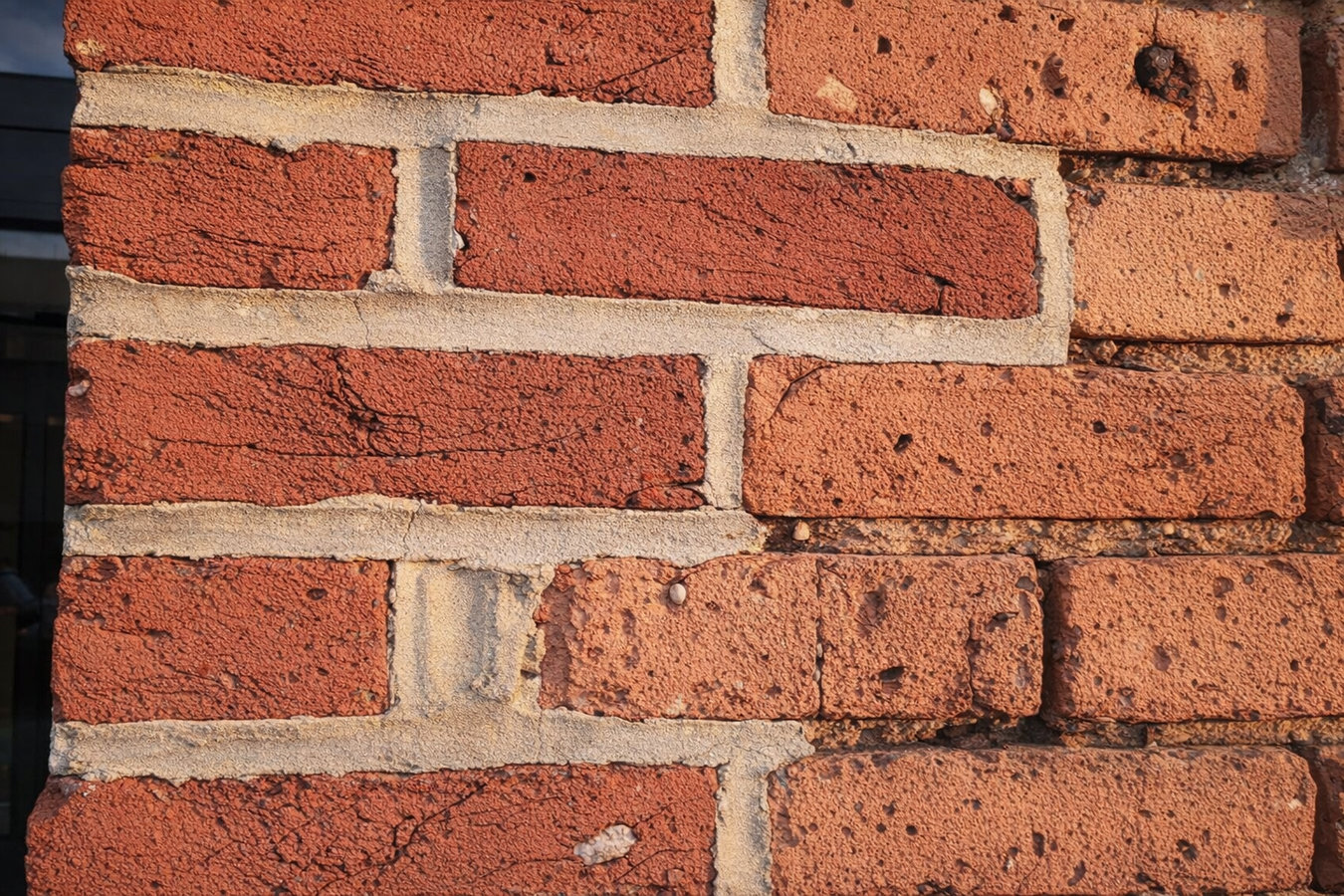
Masonry restoration in San Leandro means repairing, cleaning, and stabilizing brick, stone, or concrete block that has started to break down - most projects on a chimney or short wall section wrap up in one to three days, while larger exterior restorations typically take three to five.
A lot of homeowners think masonry problems are purely cosmetic. They are not. When mortar fails, water follows - and once water gets behind your brick or into your chimney, the repair bill climbs fast. Masonry restoration in San Leandro can include repointing mortar joints, patching or replacing damaged bricks, cleaning efflorescence off the surface, and sealing the wall against future moisture. Depending on what we find, some jobs connect naturally to fireplace installation or rebuilding when the structure inside is too deteriorated to save with repairs alone.
If you have noticed white powder on your brick, cracks after the last rainy season, or mortar that crumbles when you touch it, this is the right time to call. Small problems stay small when you act on them.
Run your finger along the joints between your bricks or stones. If the mortar feels sandy, breaks away easily, or has gaps where it has fallen out, the joint has failed. This is one of the most common issues on San Leandro's older homes, where original 1930s and 1940s mortar has simply reached the end of its life.
That chalky white residue - called efflorescence - appears when moisture moves through your masonry and carries dissolved salts to the surface. In San Leandro's foggy, damp climate this is a very common early warning. On its own it is not an emergency, but it means water is getting in somewhere that needs to be found and sealed.
If you noticed new cracks in a chimney, retaining wall, or exterior brick after a wet winter or a small earthquake, do not assume they are cosmetic. San Leandro's proximity to the Hayward Fault and its expansive clay soils mean ground movement can open cracks that widen with every subsequent season if left alone.
When the outer face of a brick starts to flake off in thin layers - called spalling - water has been getting into the brick itself and expanding inside. Once a brick starts spalling, it will not stop on its own. The damaged bricks need to be replaced before the problem spreads to the surrounding ones.
We handle the full range of masonry restoration work on chimneys, exterior walls, retaining walls, and brick or stone veneers across San Leandro and the East Bay. The most common job we see is repointing - cutting out deteriorated mortar and packing in fresh material matched to the original. On older homes built with lime-based mortar, getting that match right is critical. Use a mix that is too hard and it can damage the bricks themselves. We assess the existing material before we mix anything new. When damage goes beyond the joints and individual bricks have spalled, cracked, or shifted, we combine repointing with full brick or stone replacement so the repair is complete rather than just patched.
For walls or chimneys with efflorescence or biological growth - moss, algae, dark staining from years of Bay Area fog - we clean the surface as part of the restoration process before repointing or sealing. We also apply water-repellent treatments where appropriate to slow future moisture absorption. When a chimney or fireplace wall has deteriorated to the point where repairs alone are not enough, that work connects to our fireplace installation service. For restoration that spans larger structural surfaces and natural stone, we draw on our stone masonry expertise to make sure the finished work holds up and blends in.
For homeowners with crumbling or missing joints on chimneys, walls, or exterior brick - the most common restoration need.
Suited to structures where individual units have spalled, cracked, or moved beyond the point that repointing alone can fix.
For walls with heavy staining, salt deposits, or biological growth that needs to be removed before sealing.
The right follow-up for any restored wall in a foggy, moisture-rich environment like San Leandro - extends the life of the repair significantly.
San Leandro has a large concentration of homes built between the 1920s and 1960s, many with original brick chimneys, stone retaining walls, or brick veneers that have never been professionally restored. The city sits directly on the eastern shore of San Francisco Bay, where marine fog rolls in regularly and keeps masonry surfaces wet far longer than in inland communities. That persistent dampness accelerates mortar breakdown and encourages efflorescence and biological growth. On top of that, the Hayward Fault runs close to the city, and even minor tremors gradually loosen bricks and open mortar joints over time. Homeowners in nearby Oakland face similar conditions, but San Leandro's older flatland neighborhoods often have the heaviest concentration of original unreinforced masonry.
The city's expansive clay soils add another layer of stress. Those soils swell when wet and shrink when dry, creating seasonal movement that puts pressure on masonry attached to or resting on the ground - retaining walls, brick steps, and exterior veneers in particular. Homeowners in Hayward and the surrounding East Bay flatlands see the same pattern. The best window for exterior masonry work in San Leandro is typically late spring through early fall - mild temperatures and low rain probability give fresh mortar the stable conditions it needs to cure properly. The Brick Industry Association sets technical standards for mortar selection and joint preparation that guide quality work across conditions like these.
We will ask a few basic questions - what you are seeing, where on your home the issue is, and roughly how old the structure is. You will hear back within one business day to schedule a free on-site visit.
We walk the affected area with you, probe the mortar joints to check how deep the deterioration goes, and look for any structural concerns - including whether soil movement or seismic stress may be contributing. No cost for the visit.
After the visit you get a written estimate with the exact scope of work, materials, and total cost. California requires a written contract for jobs over $500. We also let you know upfront if a permit is required for your project.
The crew removes old mortar, packs in fresh material matched to your existing masonry, cleans up the work area, and walks you through the finished job. Fresh mortar needs mild, dry conditions to cure - we account for weather in the schedule so the work holds.
Free estimate, no obligation. We come to you, assess the damage, and give you a written quote. No pressure.
(510) 738-1722Homes built before 1960 in San Leandro often used softer lime-based mortars. We assess the existing material before mixing anything new - using a too-hard modern mix on an older wall can crack the bricks. Getting the match right is what makes the repair last.
We look at every crack with the Hayward Fault in mind. Some cracks are cosmetic. Others reflect cumulative seismic movement that will keep growing. We tell you honestly which one you are dealing with - and what it means for your repair timeline.
One of the biggest homeowner fears is a quote that climbs once the crew is on-site. We do a thorough assessment before we give you a price. If we find something unexpected mid-job, we stop and talk to you before doing anything extra - no surprise costs.
California requires any masonry contractor doing work over $500 to hold a valid state license. You can verify any contractor on the California Contractors State License Board website in about two minutes - it is free and public. We carry the required license, liability insurance, and workers' compensation coverage.
These are not just selling points - they are the practical reasons a restoration job holds up for 20 years instead of five. If you have questions before you are ready to schedule, call us and we will give you a straight answer. The International Masonry Institute trains and certifies masonry workers on the proper techniques that separate work that lasts from work that does not.
When a fireplace or chimney has deteriorated beyond what restoration can fix, we build a new unit that meets current San Leandro building and seismic requirements.
Learn MoreNatural stone repairs and new stonework for walls, steps, and features that need a mason experienced with matching and fitting natural material.
Learn MoreSan Leandro's wet winters are hard on brick and mortar. The best time to seal up your home is before the season starts - not after the water has already gotten in.